The 2006 GMC Sierra 1500 stands as a testament to rugged, dependable American engineering. To ensure this modern classic continues to deliver reliable service for another 100,000 miles, a proactive and disciplined maintenance regimen is non-negotiable. This guide moves beyond the basic owner's manual, focusing on the critical, time-sensitive services and known vulnerabilities of this platform. By addressing these key areas, you protect your investment, prevent costly failures, and maintain the truck's capability and safety.
Fluids and Filters: The Lifeline of Your Truck
Treat your Sierra's fluids as its lifeblood, changing them before they reach their absolute degradation point. For the ubiquitous 5.3L Vortec V8, clean oil is paramount. Use a high-quality full-synthetic or synthetic blend and adhere to a strict 5,000-mile change interval. This is especially crucial for engines with Active Fuel Management (AFM), as clean oil helps prevent lifter failure. The transmission fluid in the 4L60-E is a known weak point under stress. A fluid and filter change every 60,000 miles is cheap insurance against shuddering shifts and premature wear. Annually flush the brake fluid, as it is hygroscopic and absorbs moisture that leads to internal corrosion and a spongy pedal. Don't forget the coolant; use only Dex-Cool and perform a complete flush every 100,000 miles to prevent intake gasket issues and heater core failure. Finally, the transfer case and differentials require regular attention; change their fluid with high-quality synthetic gear oil every 50,000 miles to ensure your 4WD is ready when needed.
Suspension, Steering, and Brakes: The Safety Triad
The Sierra's front end is robust but wears predictably. Annually inspect ball joints, tie rod ends, and idler arms for play. Worn ball joints are a critical safety hazard that can lead to catastrophic failure. Listen for clunks from worn sway bar end links and bushings, which degrade handling. The power steering system is a common leak point; check the lines and reservoir regularly and consider a fluid flush if the fluid is dark. The braking system demands vigilance. These trucks are hard on front rotors—inspect for warping or deep scoring. Ensure the caliper slide pins are lubricated annually to prevent uneven pad wear and brake drag, a common issue that leads to premature rotor replacement.
Electrical and Illumination: Reliability and Vision
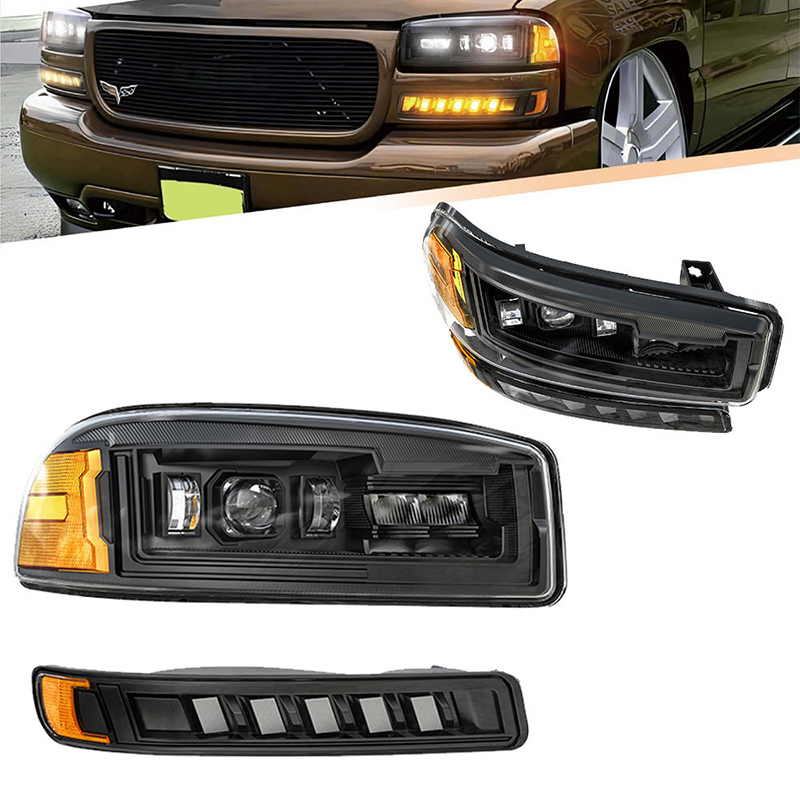
The electrical system's arch-nemesis is corrosion. Annually, clean the battery terminals and major ground connections, especially the engine-to-chassis strap, to prevent a host of gremlins. Test your alternator output under load to ensure it's keeping up with demand. A critical yet often overlooked upgrade that merges maintenance with safety is the headlight system. The factory halogen housings become severely clouded, drastically reducing output. A proper refresh involves two steps: first, restore or replace the lenses using a professional kit or new housings. Second, and most impactful, install a headlight relay harness. This inexpensive kit bypasses the truck's aging, thin factory wiring, delivering full battery voltage directly to the bulbs. This simple mod can increase brightness by over 30%, restoring safe nighttime visibility and is a foundational upgrade before considering LED GMC Sierra 1500 headlights or HID bulbs.
Proactive Monitoring: Catching Problems Early
Develop a keen sense for your truck's normal operation. Listen for the tell-tale "piston slap" on cold starts (common but worth monitoring), the whine of a failing power steering pump, or the groan of a weak fuel pump. Keep an eye on oil consumption, a known trait of higher-mileage Vortec engines. Monitor for coolant loss that could indicate a failing water pump, radiator, or intake manifold gasket. Regularly check for exhaust leaks at the manifold, which can break studs and cause inefficient operation.
By embracing this comprehensive, proactive approach, you shift from reactive repairs to strategic preservation. This guide ensures your 2006 Sierra 1500 remains not just a nostalgic vehicle, but a dependable, safe, and capable tool, fully prepared for the demands of work, adventure, and daily life for years to come.
